


In the VCT 2027 season, the circuit will shift to a tournament-based format, featuring more live events and open qualifiers for teams.
Everything you knew about the VALORANT Champions Tour (VCT) is about to change in 2027. Riot Games has introduced a tournament-based ecosystem with open qualifiers to global events, new partnership models, expanded live events across the world, and more.
VCT 2027: Season structure
In 2027, the VCT will transition to a tournament-based model where every match carries significant weight. Riot Games will introduce regional open qualifiers that feed into regional tournaments, expanding the circuit to more locations while creating new opportunities for smaller teams to qualify for Masters and Champions.
For the first time, any team will have the opportunity to qualify for the biggest global tournaments. Successful teams will also gain access to financial rewards through prizes and digital goods, in addition to tournament prize pools and fully funded travel to global events.
“VCT 2027 is about reimagining how teams compete and how fans experience VALORANT esports,” Leo Faria, Global Head of VALORANT Esports, commented. “By shifting to a tournament-driven system with open access to our biggest events, we’re creating a more dynamic, high-stakes ecosystem where every match matters and every team has a shot at the global stage.”
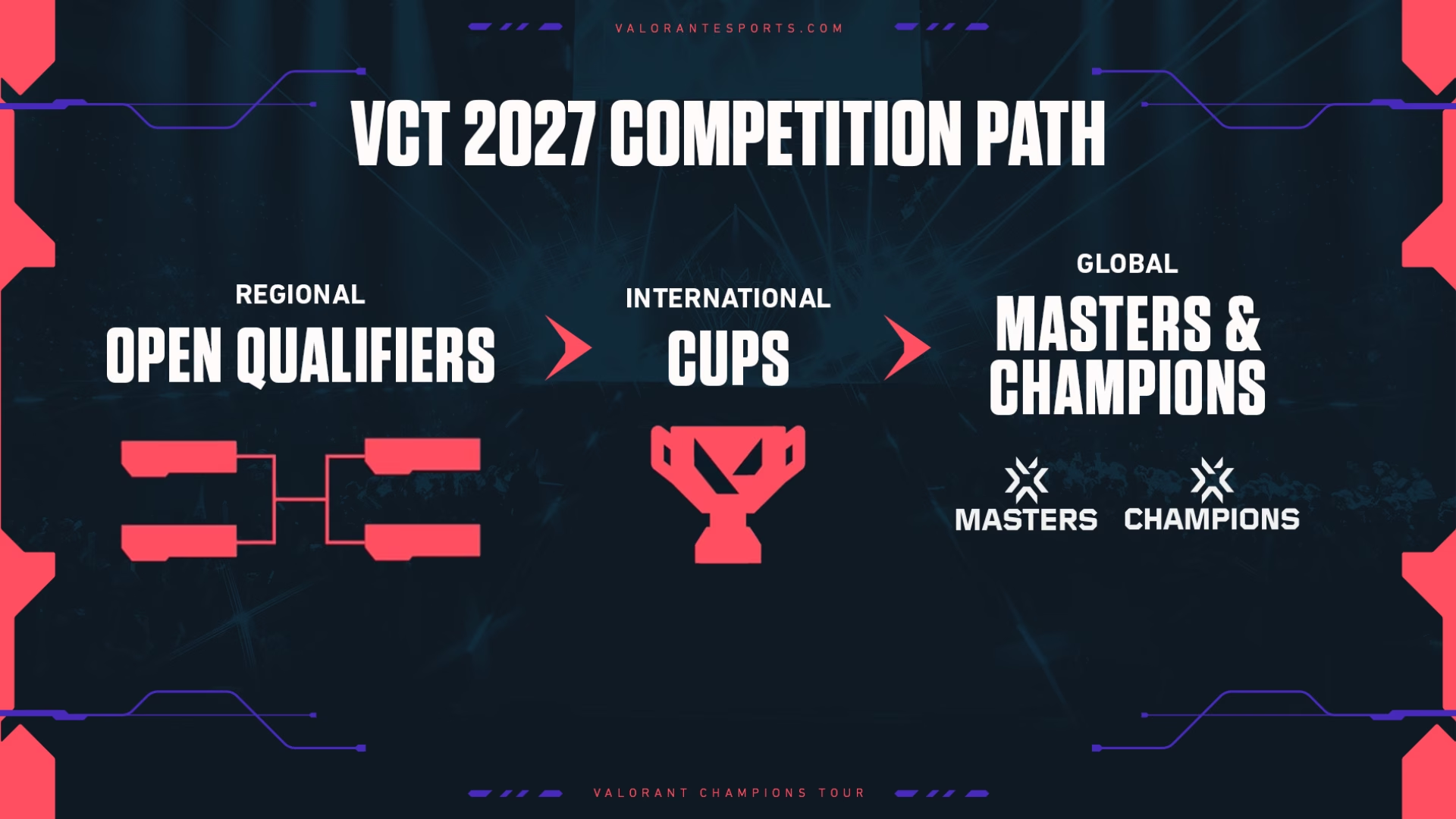
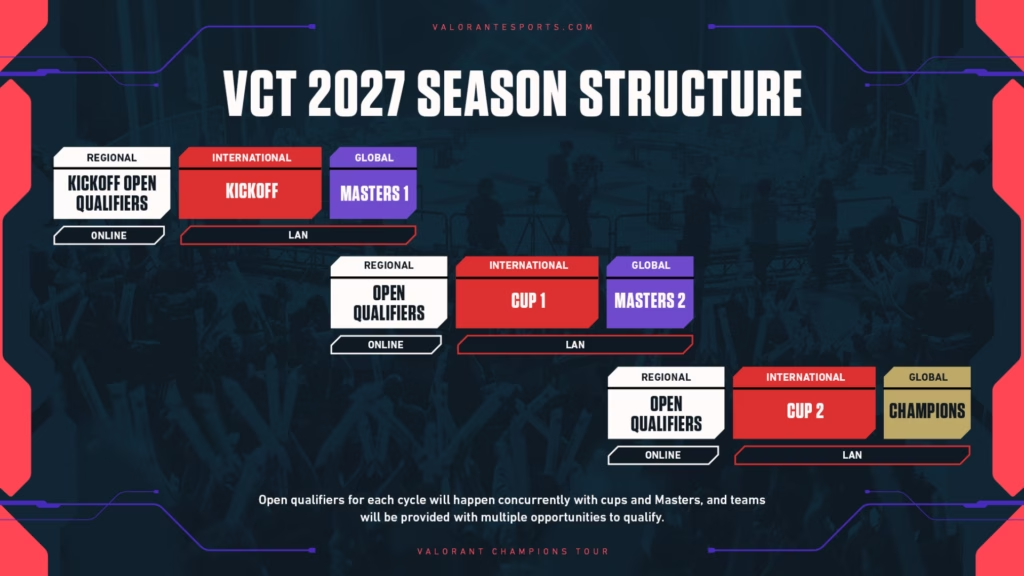
Overall, the VCT 2027 structure will be divided into three main phases across the year. Each season will begin with online open qualifiers, where teams must prove themselves to earn a place at the next stage.
The top performers will advance to the Cups, LAN events that replace traditional league play. From there, only a select few will qualify for Masters. Ultimately, the strongest teams will compete at Champions later in the year. This new format will allow teams to make repeated runs at global events, adapt to new metas, and build their momentum and fan bases.
Live events
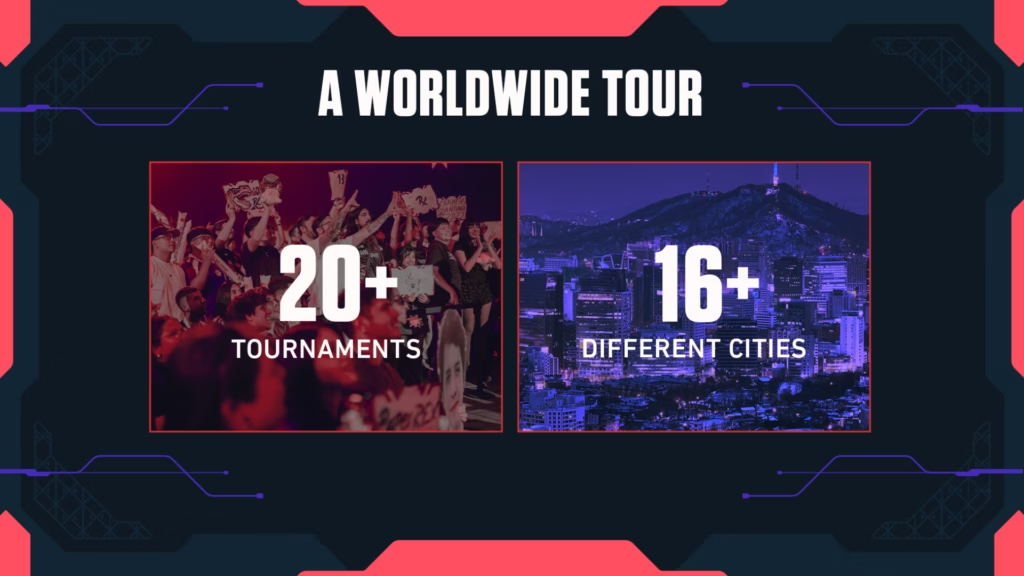
In the upcoming year, Riot Games will also expand the global footprint of the live events. The VCT will host over 20 tournaments annually across more than 16 cities worldwide. This will include regional Cups, international competitions, and global events. The goal will be to bring VALORANT closer to fans.
More details on regional formats, qualification paths, and event locations will be shared in the lead-up to Champions.
How can this structure benefit smaller teams?
Historically, smaller teams have faced significant challenges in reaching the biggest stages. Often operating in low-investment environments, many talented players and organizations have had to seek external support to sustain their projects or, in the worst case scenario, leave the scene.
However, this landscape may be shifting for smaller teams with the introduction of open qualifiers by Riot Games. This new system gives them greater opportunities to reach the highest levels of competition by directly competing against partnered teams and larger organizations.
In 2026, Nongshim RedForce defied expectations by progressing from Premier through Ascension and ultimately reaching the grand stage at VALORANT Masters Santiago. There, they demonstrated the strength of Tier 2 talent by capturing their first international title.
Another strong example comes from PCIFIC in the EMEA region. Once again, a Premier team defied the odds by earning a place in Tier 1 through victory at Ascension. At the start of 2026, the roster joined BBL Esports, where they went on to claim their first regional title by winning Kickoff while also securing their debut on the international stage.
The majority of Tier 1 talent has historically emerged from Tier 2 competition. While rare exceptions exist where players have entered the circuit directly without progressing through Challengers or smaller teams, a vast pool of talent remains untapped. Many players deserve an opportunity, and the coming year may provide them with the chance to compete against the best and potentially qualify for the biggest stages.
Editor’s Note