

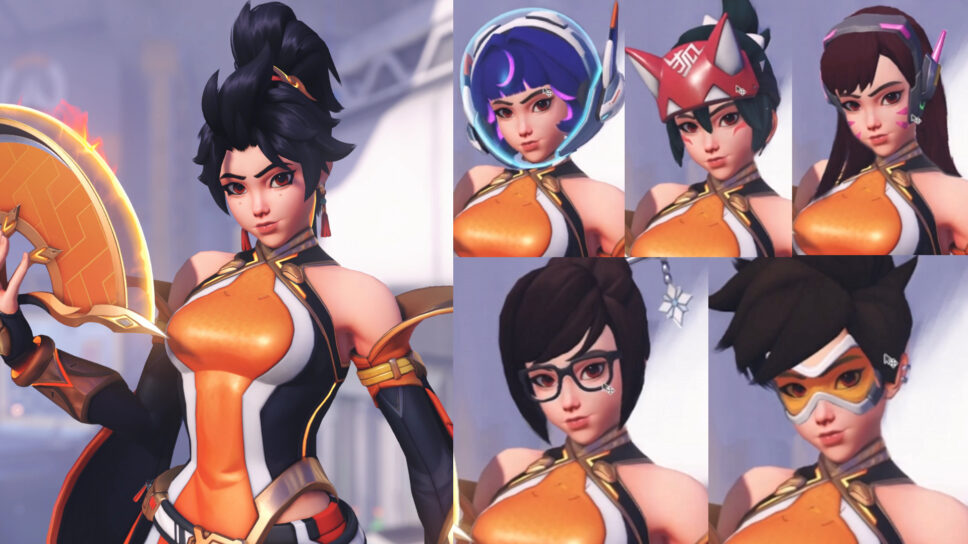
While fans may dislike seeing many female characters share similar features, there are some reasons why Overwatch heroes often look alike.
Blizzard recently announced several new heroes coming to Overwatch, and fans quickly noticed that Anran’s face was way different from the teasers. This reignited discussions about the lack of distinct identity among some characters, as many seem to differ only in hairstyle or facial markings.
Anran’s features in Overwatch
Fans have been talking online about how different Anran appears compared to the Wuyang and Anran animation video shown at Gamescom 2025. In the teaser, her Chinese features are more pronounced, but in-game, she ends up looking similar to other female characters like Tracer, Juno, and D.Va.
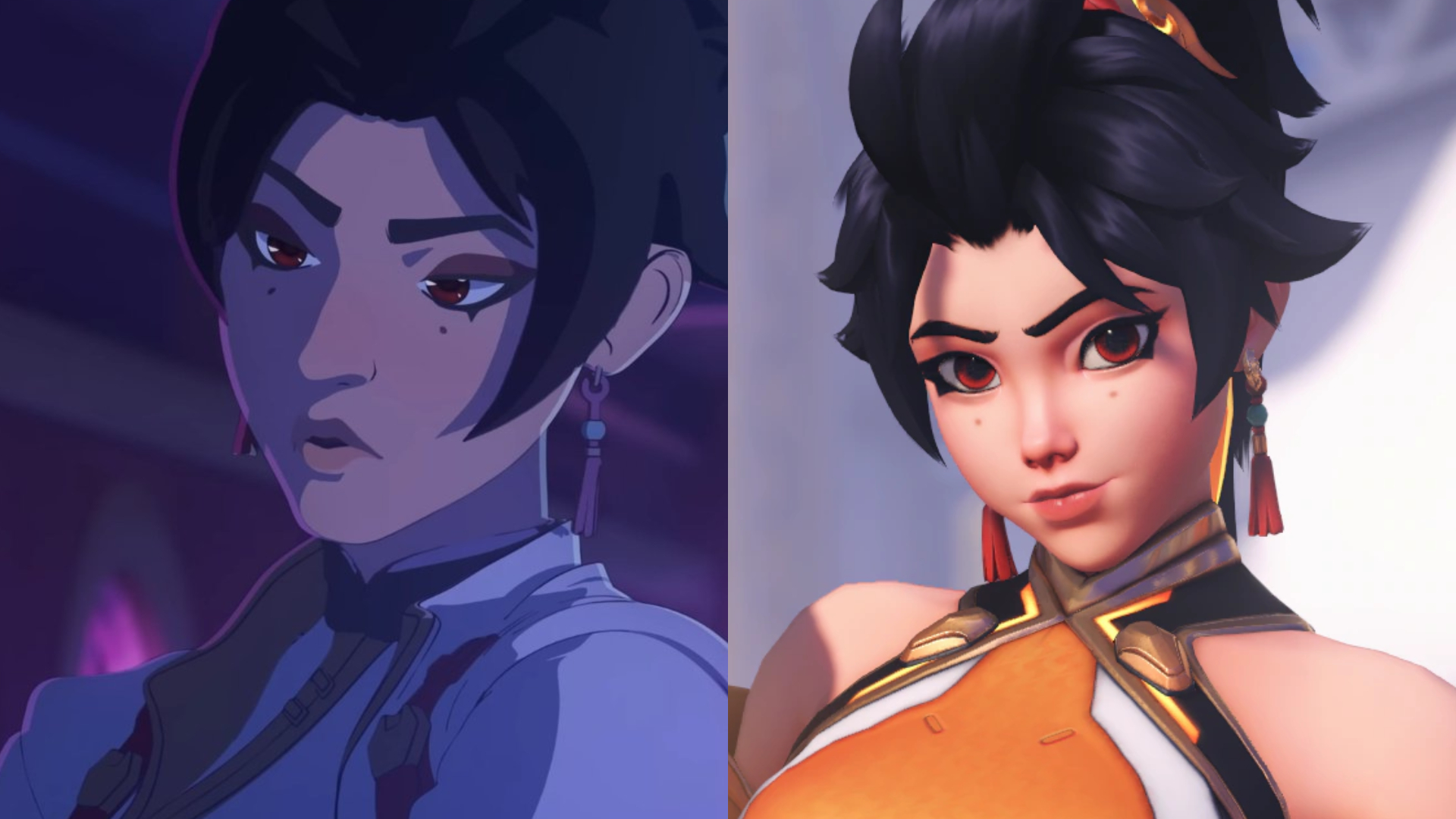
Some fans have started to test how similar the characters actually look. While some see it as a meme, many Overwatch players are using social media to voice their frustration with the character designs. “It’s just the general artistic direction has been overdone at this point, the pixart-ish simple faces with exaggerated expressions and Play-Doh eyebrows. It was somewhat fine in 2016, but 10 years later if feels bland,” a user commented.
Other users have pointed out that it’s crazy Blizzard can design entirely new and unique weapons and outfits, yet creating a distinct face seems “too difficult.” The issue of many female heroes looking alike has been noted since the game’s launch. It seems Blizzard is still struggling to overcome the “same face syndrome” criticisms.
Overwatch heroes visual identity
The main reason behind this likely lies in Overwatch’s highly stylized “hero shooter” art direction. Characters tend to have smooth skin, clean facial structures, and clear silhouettes. While this approach helps make heroes easily recognizable to both players and non-players, it can also make it difficult, even for experienced players, to differentiate certain characters, especially when using specific skins.
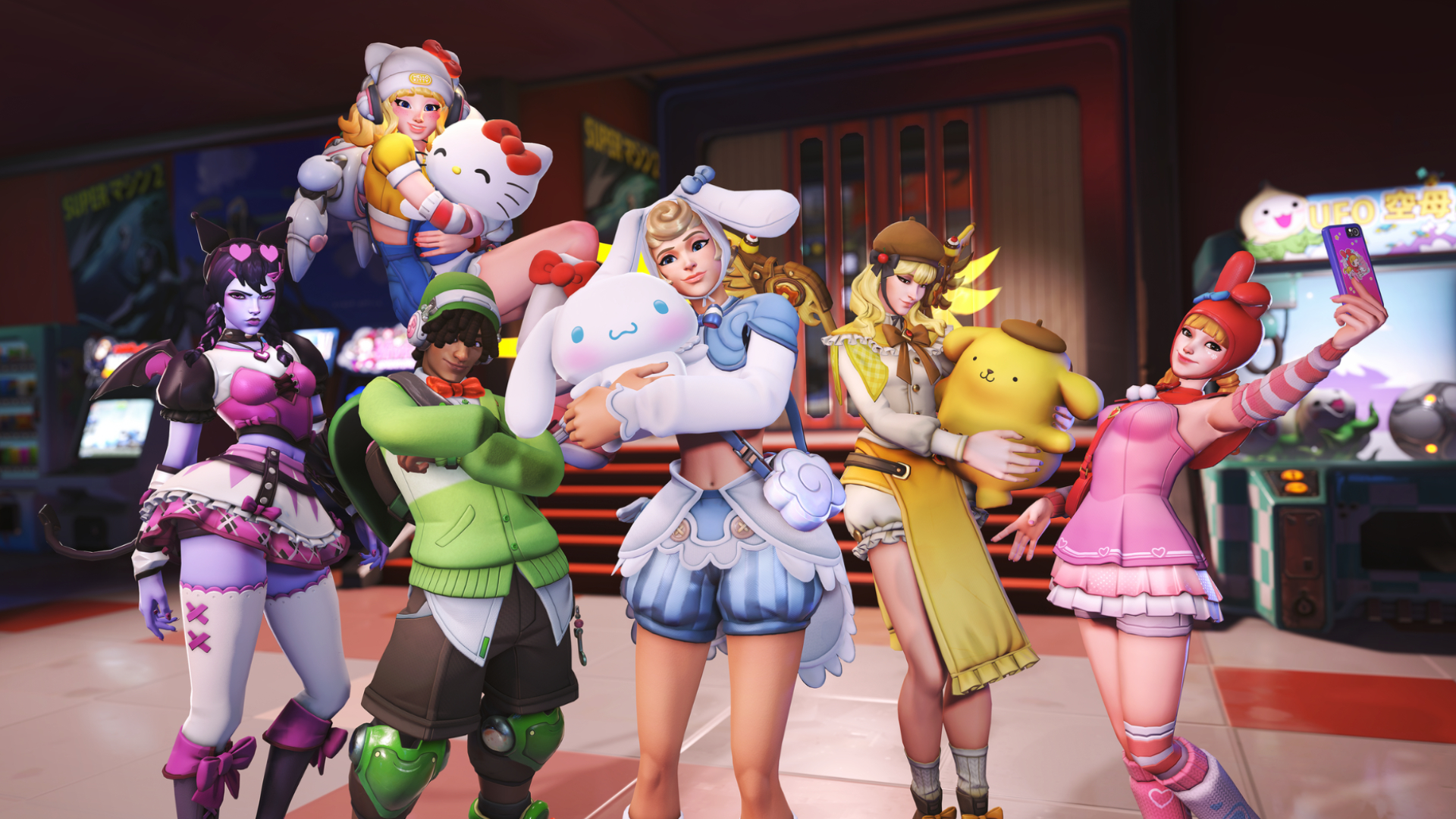
For example, in the recent Overwatch x Hello Kitty collaboration, some heroes are difficult to recognize at a glance. Aside from Lucio, who is male, Widowmaker, who has purple skin, and Juno, who is flying, the remaining three characters appear very similar, making their identification quite challenging.
Overwatch heroes are designed to feel like part of the same universe, avoiding styles that would break visual cohesion and maintaining the franchise’s distinctive “Overwatch look.”
Is this an Overwatch-only problem? No!
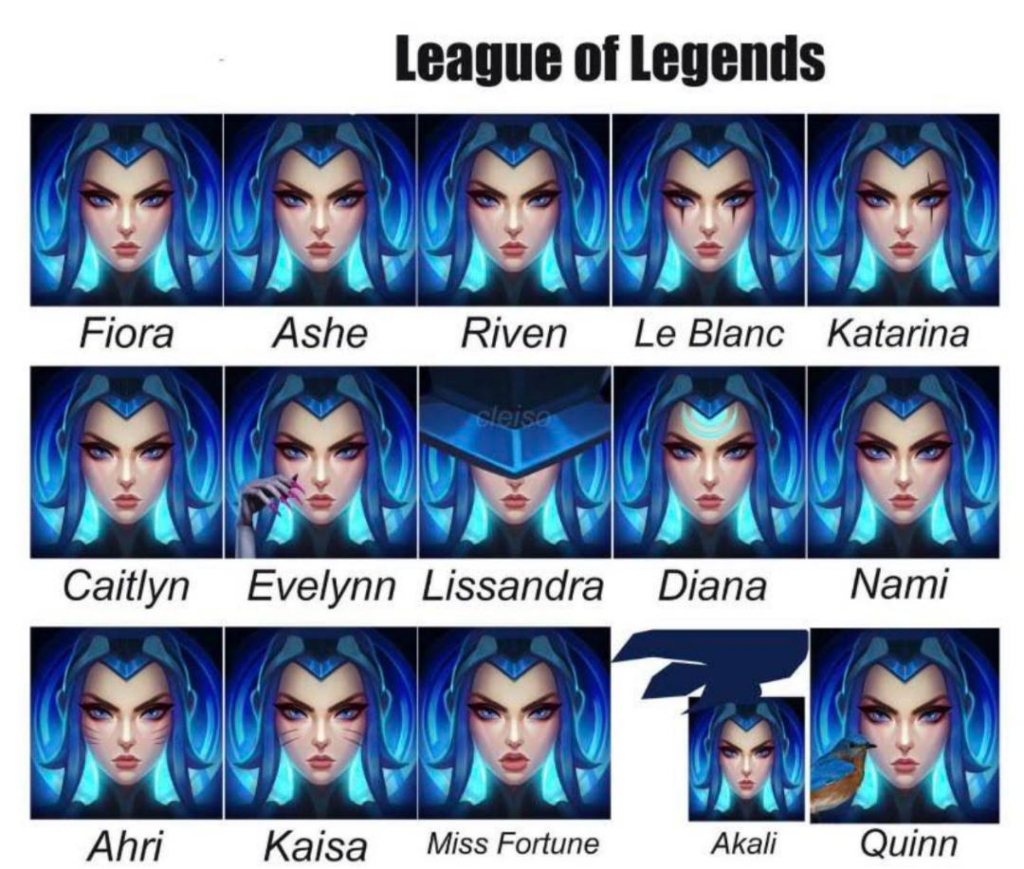
This isn’t unique to Overwatch. Many games have faced similar criticism over the years. League of Legends is a prime example. With over 170 champions, fans have long complained about the “same face syndrome.” Even as Riot Games reworks older champions and releases new ones, the issue persists.
Overall, games that aim for long-term relevance often maintain a consistent character design philosophy. As a result, characters may share similarities, but they become strongly associated with that game’s unique visual identity. At the end of the day, the video game companies want to stick to a long-term brand identity, keeping their relevance in the industry.
Not only does this help maintain a consistent visual identity, but it also accelerates other artistic processes. Producing new skins, characters, cinematics, and even themed events becomes faster and more efficient. This approach not only speeds up development but also reduces costs, avoiding the need to rebuild systems every time a new character is released.
Even with all the engine updates of the last few decades, games can prevent animation breakage and make it easier to update models. This way, the companies can secure a certain visual consistency and keep their players engaged without embracing short-term trends. While fans may not like this approach, video game companies will likely continue it to preserve their games’ visual identity.