

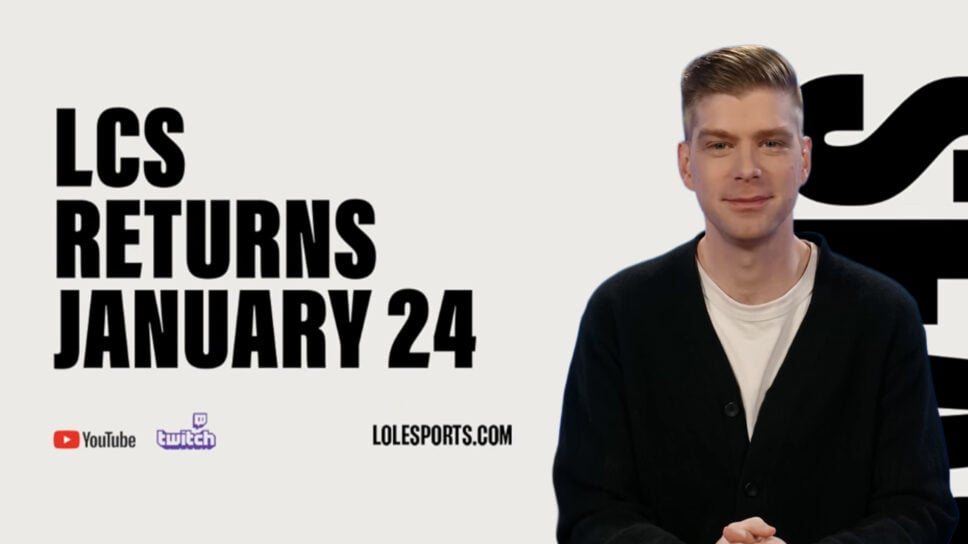
LCS Commissioner MarkZ shared why fans were a big factor in the LCS rebrand, content teams, and how he interacts with other regions and VCT.
The League of Legends Championship Series (LCS) is getting the nostalgic brand back after spending some time in the unified League of the Americas (LTA). In an exclusive interview with esports.gg, LCS Commissioner Mark “MarkZ” Zimmerman shared how they plan to bring back normalcy for LCS 2026, his thoughts on content teams, how they learn from VALORANT, and his esports career.
“I’m very excited for 2026 being able to bring back a lot of elements of 2024 while keeping the parts from 2025 that fans liked.”
MarkZ talks LCS fans: “There was something lacking.”
First, MarkZ detailed what went on when the LCS became part of the LTA, then back to the LCS. “We looked for an evolution across the Americas. We looked for the best way to to apply a level of consolidation to the Americas,” he said. “Obviously, it felt like there was something lacking that we saw manifest across the year.”
Fans played a big part in the return of the LCS. “Knowing that fans felt like they were missing their home brands and leagues… we started looking to bring back some of those elements,” he continued. “That’s exactly what we were able to do when we announced that the LCS and CBLOL [Campeonato Brasileiro de League of Legends] were coming back as independent leagues.”
The LTA isn’t completely forgotten, however. The LCS team is bringing learnings from their time in the LTA. For example, the LCS and CBLOL will find opportunities to connect and interact, like the cross-conference competition in the LTA. For 2026, the two regions will meet at the Americas Cup.
MarkZ talked about specifics in terms of what we can expect for the entirety of 2026. “Obviously bringing the brand back and making sure that there are international opportunities. We’re back to what we had in 2024 with two teams at MSI, three at Worlds. As we continued from 2025 to make sure that both Brazil and LCS got their own slot for First Stand versus last year where we fought for the slot.”
“We definitely had to play a little bit of Tetris to try and fit all the different elements and features of the LTA into the amount of time that we had, which meant, you know, playoffs were pretty aggressive,” MarkZ continued. “Now we have these longer splits again that will allow fans to hopefully connect better with their teams and their pros before getting into playoffs.”
Bringing back some of that normalcy, that is kind of what was understood to be what an LCS season was back then. That’s all coming back and hopefully making it easier to join back in when you start watching LCS, you don’t have to relearn some new format and all these different things that might have changed over the years.
Back in the day, all LCS teams were content teams.
With content teams continuing to be an emergent presence in other leagues, particularly the EMEA region, we had to ask MarkZ about his thoughts.
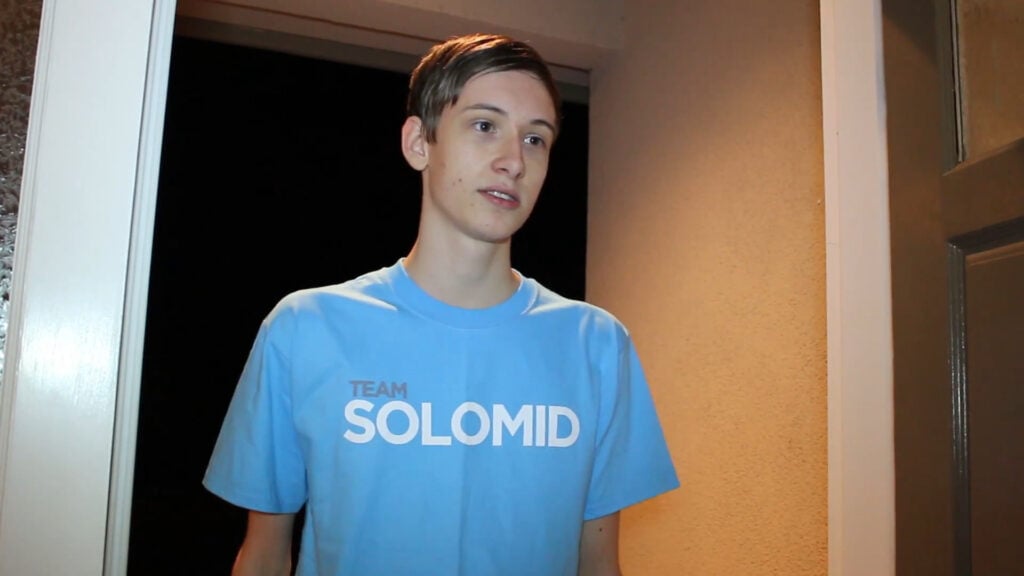
“I think [content teams] are always interesting. We call them content teams, but that’s what every team was back in the day when esports was initially starting up and it was all grassroots,” MarkZ responded. “You were having the TSM versus CLG in the old-school days.”
I do think it’s both evolution and a callback to how things were back in the day. The direct connection to a team was kind of lost a little bit when things got super, super professional. [Content teams] are something I’m very interested in, and it’s something that we welcome, or want to welcome where it makes sense.
MarkZ on “content teams”
Jeremy “DisguisedToast” Wang established Disguised and entered the LCS. “DSG is a good example – there’s this mixture of professionalism and the fun and some of the extra access for fans that is different from other teams in the league. I think having that variety is very important.”
How the LCS, other regions, and VALORANT Esports overlap
Riot Games is handling esports circuits for both League of Legends and VALORANT, on top of other titles like Teamfight Tactics and the newly-released 2XKO.
Speaking on the various other LoL Esports regions, MarkZ says there is a “level of separation and collaboration” between them.
“There’s a lot of times where it’s more about hearing what’s working on the global side and if we want to incorporate that or not. What some fan bases in South Korea or China might find interesting is different from what a Western fan might be looking for,” said MarkZ.
MarkZ also talked about the level of autonomy that each region has to experiment. “We have Coach Comms being run right now in the LCK and LCP. LEC has their 12-team Versus event, which incorporates tier-2 teams. Everyone has this level of ability to do a bit of experimentation, then we try to copy what makes the most sense.”
Meanwhile, he confessed that he doesn’t watch a lot of VCT. “I don’t watch VCT a ton. Just due to time — in the mornings I’m watching LEC, then I’m watching the LTA, or I’m watching LCK at night. I tend to stay within the world of League of Legends.”
Despite this, he still learns from the VCT. “I talk to [the VCT team] fairly often… there’s a lot of different elements that can overlap, like the visa situation this year.”
MarkZ’s career in esports and content
The LCS commissioner has held many roles in the scene prior to his current post. “One of the things I’ve had the privilege of doing is working a lot of different jobs in esports or just around content creation. Ever since I graduated from college, I’ve been working in this space.”
He was first a coach for Team Curse, then for Team Liquid, back in 2014. “I got a lot of insight on the team side; how they operate, talking and working with pro players every single day.”
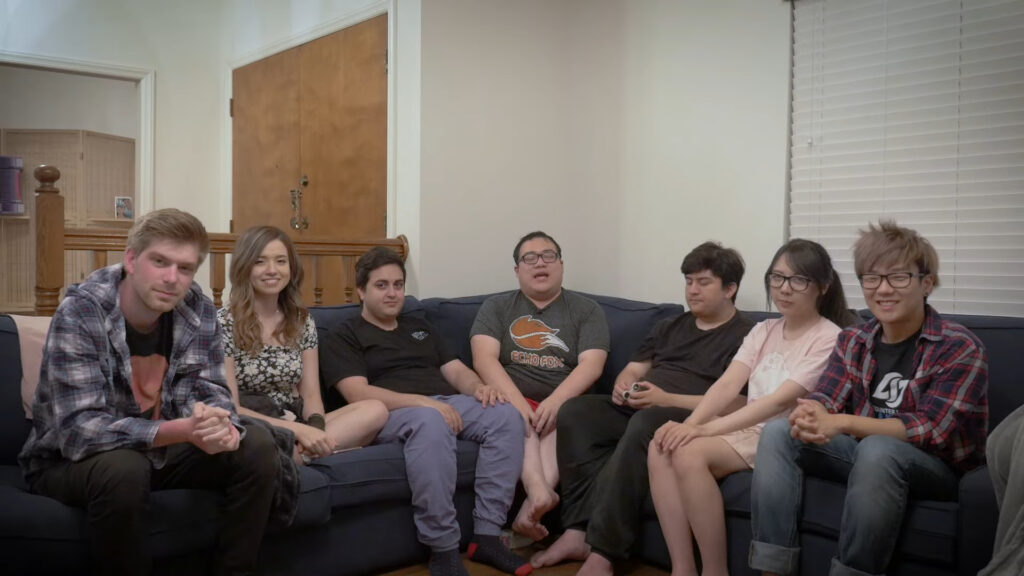
He then understood more about the content side of the industry after spending some time as Offline TV’s director/producer and on the LCS desk.
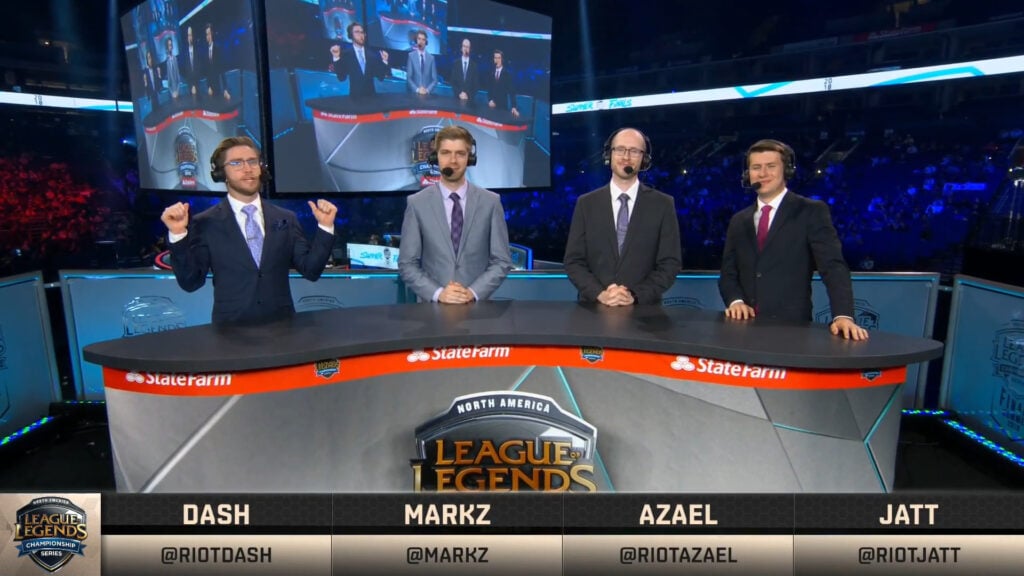
“There’s been a handful of experiences I’ve picked up over the years, and obviously there’s still a lot to learn on this job,” said the now-commissioner. “But, in a lot of ways, it’s similar to those things where you’re trying to create a compelling product, have this level of competition that’s interesting: understanding formats, costs, and what fans are looking for.”
The LCS 2026 Season begins with Lock-In, which begins Jan. 24.