

Virtuos talks about how co-development enables SEA to become a major source of creativity and innovation in the game development industry.
Southeast Asia’s (SEA) rise in the global games industry isn’t a quiet climb but a full-scale acceleration. The region started out primarily as a consumer market. However, it has evolved into a development hotspot. SEA is now home to ambitious studios, multicultural teams, and players whose tastes help shape worldwide trends.
One of the companies that capitalized on this trend is Virtuos. It’s a game development company whose fingerprints appear on some of the world’s most iconic titles. Some notable examples include The Elder Scrolls IV: Remastered, PUBG, League of Legends, 2XKO, and Stellar Blade.
In an exclusive written interview with esports.gg, Virtuos Kuala Lumpur’s general manager Mufizal Mokhtar and production director Izzal Ibrahim break down the forces driving SEA’s explosive growth, the evolving role of co-development, and why the next decade may see Asia shift from a supporting pillar to a birthplace of global hits.
A region ready for global play
For Virtuos, SEA’s importance begins with its people. The region’s multilingual, multicultural nature makes it uniquely suited for complex global productions.
“That’s a key advantage for producing complex games where communication is key,” Mufizal explains. On top of that, he also shared how Malaysia’s government supports this endeavor. This further strengthens the infrastructure region. In return, SEA, especially Malaysia, becomes more than a workforce hub; it becomes a creative engine.
Access to games has also skyrocketed over the past decade, leading more players to explore how games are made. That curiosity, Mufizal says, feeds a cycle: more talent creates more opportunity, which brings more major projects into SEA.
Izzal adds that there’s a growing pride among players who discover that global best-sellers were built, at least in part, right in their backyard. Virtuos KL, contributing to globally beloved franchises, dismantles the old belief that “real” game development only happens in the U.S., Japan, or Europe.
“And this passion,” he says, “is shown in the quality of work we deliver out of SEA.”
Co-development’s evolution from support to creative Partner
As AAA ambitions rise, so do the complexities of making games. Co-development has become more than external help; it’s now a strategic necessity.
Mufizal explains that modern AAA production stretches across entire pipelines from prototyping to post-launch. This makes collaboration crucial. Done right, it frees creative leads to focus on the most important pieces: vision, iteration, and fun.
Izzal observes a regional shift too, as SEA teams climb “up the value chain.” This moves the development teams from pure asset creation to full co-development. Injecting “new blood,” he says, brings perspective that revitalizes game ideas. This is why Virtuos’ experience across 1,500 titles immediately strengthens its partners’ projects.
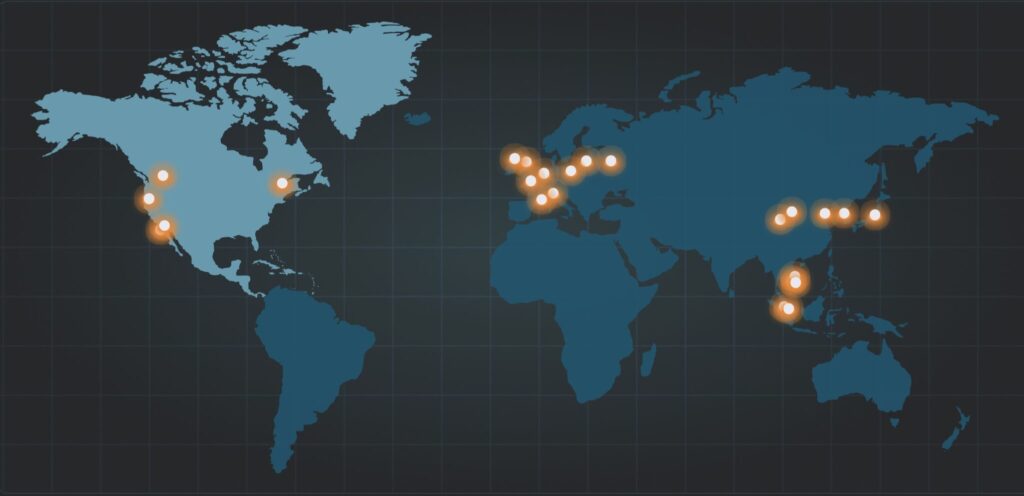
What truly sets Virtuos apart isn’t just manpower; it’s multicultural fluency. With 24 global studios, Virtuos blends creative perspectives in ways few companies can. Internal guilds, cross-studio training, and mobility programs ensure a constant exchange of ideas.
This matters because teams working on the same game for years may “default to certain norms,” Izzal says. Virtuos’ diverse input helps partners challenge assumptions and refine systems down to the smallest detail. It’s a creative advantage born not of technology, but of people.
The “glocalised” collaboration approach of Virtuos
Virtuos’ signature approach, glocalization, ensures worldwide resources meet local nuances. A client in Asia might work closely with Virtuos KL for communication and oversight but pull specialized VFX expertise from Beyond-FX in Los Angeles. Local representatives familiar with cultural norms help avoid miscommunication and strengthen creative alignment.
Western teams may thrive on direct, candid feedback. On the other hand, Asian teams may favor more nuanced discussions. Virtuos acts as the bridge.
“Clarity in communication and strong partnerships make a successful game,” Izzal says. It reflects a producer’s mindset built into the company’s DNA.
Virtuos’ regional expansion isn’t about planting flags. It’s also guided by three criteria:
- Deep talent pools
- Specialized expertise
- Proximity to clients
Studios like CounterPunch and Pipeworks bring world-class specializations in facial animation, co-development, and live operations. Meanwhile, SEA studios such as Virtuos KL focus on training emerging talent and helping local markets scale beyond mobile and indie titles. The long-term goal? Build future AAA hubs in regions previously overlooked.
For SEA to reach its full potential, talent development is essential. With that said, Virtuos is investing heavily in this venture.
Virtuos KL partners with over 10 schools, shaping curricula and offering talks, mentoring, and the intensive Virtuos Induction Program. The studio’s Central Technology Group equips teams with cutting-edge training and workflows.
“There is a real opportunity for Malaysia and SEA to expand into AA and AAA,” Izzal emphasizes. Larger projects mean bigger visibility, more jobs, and a stronger global presence.
Technology as an enabler, not a replacement
With the rise of generative AI, fears surrounding job security and the decline of human creativity have grown just as quickly. Many developers and gaming communities worry about the overreliance on automation. This could lead to games that feel artificial, formulaic, or at worst, reduced to AI-generated slop with no soul behind them.
The concern isn’t just about machines taking over tasks. It’s also about losing the human touch that gives games their emotional depth, cultural nuance, and sense of identity. As AI becomes more capable, the industry is grappling with how to embrace innovation without sacrificing the artistry that defines the medium.
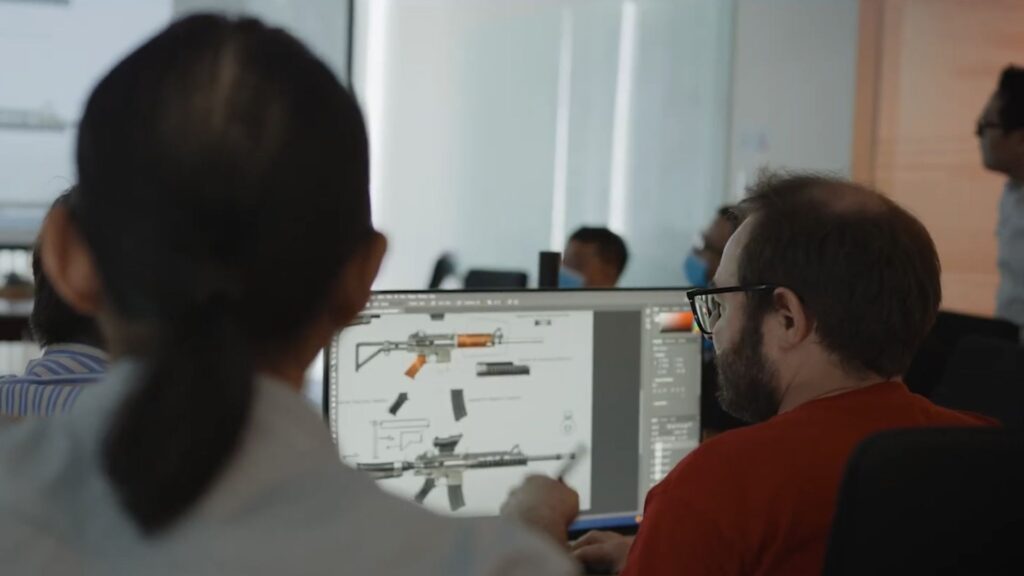
Generative AI and new engine technologies are reshaping workflows, and Virtuos is experimenting responsibly. According to Mufizal, their focus is to provide the following for their teams:
- Streamline training
- Optimize project management
- Automate repetitive tasks
- Free developers for creative work
The goal stays the same: “to make games together in a better way, and make better games as a result.”
Virtuos helps Asian IP break out globally
With more Asian-made games reaching global audiences, Virtuos plays a role in helping studios scale beyond indie-sized pipelines. For mid-sized teams, co-developers offer expertise and engine mastery they might not have in-house. This enables them to focus on creativity rather than technical overhead.
“It’s only a matter of time before one of these studios achieves groundbreaking global success,” Izzal says.
Will Asia become a primary source of original IP? Both leaders believe the trend is already underway.
In Malaysia alone, from Metronomik’s No Straight Roads to OPNeon Games selling over a million copies of TCG Card Shop Simulator, there’s proof that it can produce global hits. And as technical capacity grows, so will creative ambition.
Virtuos sees itself as a key enabler of this shift. They are not just building games, but building the future of game development in Asia.