

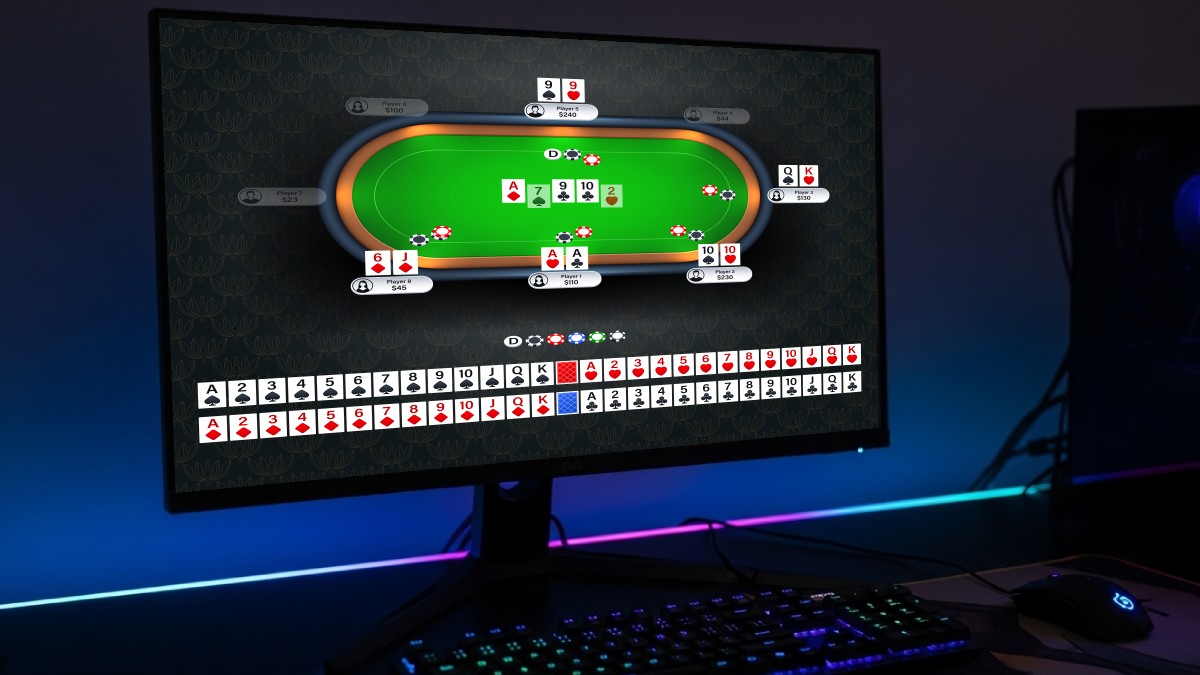
A full house in poker combines three cards of one rank and two of another, appearing in only 1 out of roughly 38–40 Hold’em hands, yet creating some of the largest EV swings in modern databases.
Despite its strength, it’s frequently overplayed—especially when multiple full-house combinations exist on paired boards. A data-driven understanding of full-house odds, ranking logic, and value-betting windows helps capture maximum profit while avoiding second-best traps.
What Is a Full House in Poker?
A full house is made by pairing three cards of the same value with a separate pair of another value. The hand requires exactly five cards forming this specific pattern, with the three-of-a-kind component determining primary hand strength.
Full House Card Hand Structure
What’s a full house in poker from a technical perspective? The combination must contain three cards of the same rank and one pair. Common examples include three kings with two fives (kings full of fives) or three sevens with two aces (sevens full of aces).
The three-card component takes precedence in comparisons. A player holding three jacks and two threes beats an opponent with three tens and two aces, despite aces ranking higher.
Players learning how full houses are structured often begin by studying ranking differences in basic hand charts, and many newcomers review these fundamentals while comparing the best poker bonuses available for low-stakes or practice-friendly games.
Full House Poker Hand Rankings and Comparisons
Understanding where full houses fit within overall hand hierarchies helps players assess relative strength and make optimal betting decisions.
Standard Hand Ranking Position
| Hand Rank | Hand Type | Example | Approximate Odds |
|---|---|---|---|
| 1 | Royal Flush | A♠ K♠ Q♠ J♠ 10♠ | 649,739:1 |
| 2 | Straight Flush | 9♥ 8♥ 7♥ 6♥ 5♥ | 72,192:1 |
| 3 | Four of a Kind | K♣ K♦ K♥ K♠ 3♦ | 4,164:1 |
| 4 | Full House | 8♣ 8♦8♥ 4♠ 4♦ | 693:1 |
| 5 | Flush | A♦ J♦ 8♦ 4♦ 2♦ | 508:1 |
| 6 | Straight | 10♣ 9♦ 8♥ 7♠ 6♣ | 254:1 |
| 7 | Three of a Kind | Q♠ Q♥ Q♦ 9♣ 5♠ | 46:1 |
Full houses beat all straights, flushes, three of a kind, two pair, one pair, and high card hands. Only four of a kind, straight flushes, and royal flushes rank higher.
Comparing Multiple Full Houses
When multiple players achieve full houses, the three-card component determines the winner. Three aces with two kings (aces full) beats three kings with two aces (kings full). If players hold identical trips, the pair component breaks ties.
In community card games, players occasionally make identical full houses using shared board cards. A board showing K-K-K-7-7 gives all remaining players kings full of sevens, unless someone holds a pocket pair that creates superior combinations.
Full House in Poker: Probability and Frequency Analysis
Understanding how often full houses appear helps players calibrate expectations and avoid overvaluing lesser holdings.
Texas Hold’em Full House Probabilities
In Texas Hold’em, players start with two concealed cards and build their final hand using the five community cards on the table. Beginning with a pocket pair, players hit trips on the flop approximately 11.8% of the time, and convert to a full house by the river in roughly 33% of cases, according to probability tables published by PokerListings based on standard 52-card simulations. This results in an overall full house frequency of just under 4% for pocket pairs.
Players holding unpaired hole cards face longer odds at approximately 0.9%. Industry hand-tracking data shows that full houses appear in showdown approximately 2.6% of the time, with pocket pairs accounting for the majority of these occurrences.
What Is a Full House Poker Strategy: Maximizing Value
Extracting maximum value from full house holdings requires understanding opponent hand ranges, board textures, and optimal betting patterns.
Playing Full Houses on Different Board Textures
Dry boards with three or four cards of the same rank create obvious full house possibilities, alerting opponents to danger. A board showing Q-Q-Q-7-3 rainbow makes most players cautious.
Coordinated boards offering straight or flush possibilities provide better disguise. A board of K♥ K♠ 10♥ 9♥ 5♠ appears dangerous for flush draws, encouraging opponents with completed flushes to commit chips before realizing they’re beaten.
Players should size bets to keep opponents involved while building pots. Against typical opponents, betting 60-75% of the pot on the river balances value extraction against fold frequency. Players seeking reliable tips to improve their long-term results often turn to a well-structured strategy guide that reinforces a balanced value-betting approach.
Avoiding Full House Traps
Certain board configurations create full house dangers, requiring careful hand-reading. When the board pairs and shows straight or flush possibilities, opponents may hold superior full houses using different trip combinations.
A player holding 9-8 on a board of 9-9-8-8-2 makes nines full of eights. However, an opponent with pocket nines holds four nines, winning the pot. According to a 2024 study in the Journal of Gambling Studies analyzing 50,000 tournament hands, players lost an average of 47 big blinds with second-best full houses, compared to winning 62 big blinds with the best full house.
Full House Cards in Different Poker Variants
Full house mechanics vary across poker variants, with some games offering different probabilities or valuations based on specific rules.
Omaha Full House Frequency
In Omaha poker, four hole cards are dealt instead of two, dramatically increasing the frequency of full houses. Players must combine exactly two of their hole cards with three community cards.
Full houses appear in Omaha showdowns approximately 8-9% of the time, more than triple the Texas Hold’em rate. Many online poker platforms offer both Texas Hold’em and Omaha variants.
Short Deck Poker Adjustments
Short deck poker removes cards two through five, creating a 36-card deck. In short deck variants, full houses rank higher than flushes due to the reduced deck, making flushes more common. Full house probabilities increase to approximately 2.6%.
What Is a Full House: Building Hands Across Streets
Understanding how full houses form across betting rounds helps players identify opportunities and adjust their strategies.
Flopping Full Houses
Making a full house on the flop requires specific board alignments with starting hands. Pocket pairs hitting trip or quad boards create instant full houses, though quad boards may result in split pots.
A player holding 5-5 on a flop of 5-5-K makes quad fives, technically four of a kind. The same player on a flop of 5-K-K makes fives full of kings, a legitimate full house. Data from Upswing Poker, starting with a pocket pair, gives you only about a 0.98% chance of flopping a full house, while unpaired hole cards reduce that figure to around 0.09%.
Turn and River Full House Development
Many full houses complete on the turn or the river when players improve trips or convert two-pair holdings. These later-street full houses present different strategic considerations than flopped versions.
Trips improving to full houses on the turn allow for two betting streets to build pots, while river full houses limit value extraction to a single bet. Players should exercise caution when boards pair on the river, as it creates full house possibilities for opponents who were drawing to straights or flushes.
Full House Poker Hand Examples
Examining specific full house situations helps players recognize patterns and make better decisions.
Example 1 – Pocket Pair Hitting Trips:
Player holds 7♦ 7♣ on flop 7♠ J♥ 4♦, turn J♣, river 2♠. Makes trips on flop, improves to sevens full of jacks on turn.
Example 2 – Two Pair Filling Up:
Player holds A♠ K♦ on flop A♥ K♣ 3♠, turn 9♦, river K♠. Flop’s top two pair, completes kings full of aces on the river.
Example 3 – Board-Based Full House:
Player holds Q♦ 10♠ with board J♣ J♥ J♠ 8♦ 8♣. All players make jacks full of eights.
Advanced Full House Strategy Considerations
Sophisticated play requires understanding population tendencies, opponent-specific adjustments, and game theory optimal principles.
Balancing Value and Protection
Full houses rarely need protection against draws since they beat all straight and flush combinations. However, they remain vulnerable to superior full houses and quads.
Against unknown opponents, betting 65-70% of the pot on the river with full houses balances value extraction with maintaining reasonable bluff-to-value ratios. Experienced players adjust this sizing based on opponent tendencies.
Multi-Way Pot Considerations
Full houses play differently in multi-way pots where multiple opponents contest the hand. With more players involved, the likelihood of facing superior holdings increases, particularly on paired boards where multiple full house combinations exist.
Analysis from GTO Wizard’s multi-way strategy research notes that equity shrinks rapidly in pots with three or more players, increasing the frequency of second-best full houses and requiring more conservative value lines.
In three-way pots on boards like K-K-9-9-2, a player holding K-9 for kings full of nines should bet heavily but recognize that opponents could hold pocket kings or pocket nines for superior full houses.
Full House Poker in Tournament Play
Tournament dynamics create unique full house situations based on stack sizes, blind levels, and payout structures.
Early Tournament Full House Play
Deep-stacked early tournament play maximizes value extraction from full houses across multiple betting rounds. Players should build pots methodically rather than over-betting and forcing folds.
A common mistake involves check-raising all-in on the turn with full houses when effective stacks exceed 100 big blinds. This sizing provides poor odds for opponent calls and surrenders value.
ICM Considerations
ICM pressure near tournament bubbles or final tables sometimes justifies cautious full house play against heavy aggression from bigger stacks. Professional tournament players occasionally fold mid-strength full houses in extreme ICM situations when facing all-in raises from opponents whose ranges skew heavily toward superior holdings.
Recognizing Full House Poker Patterns
Live and online poker introduce patterns that help identify when opponents make full houses.
Betting Pattern Tells
Players who suddenly change betting sizes after consistent play may have hit unexpected full houses. Opponents who consistently bet 50% pot suddenly betting 75% likely improved to a full house.
Online Full House Detection
Digital poker creates timing patterns that reveal hand strength. Opponents who tank before betting on paired boards often hold full houses and contemplate optimal sizing. Modern crypto poker platforms usually include bet timing statistics in HUD displays.
Mastering Full House Play for Consistent Profits
Full house poker hands represent significant profit opportunities when played optimally across game formats and stakes levels. Understanding probability, hand development patterns, and opponent tendencies allows skilled players to extract maximum value while minimizing losses against superior holdings.
The 693:1 odds against making full houses in five-card scenarios emphasize their relative rarity and corresponding strength. A successful full house strategy balances aggression with awareness, building pots against second-best hands while exercising caution against betting patterns that suggest superior holdings.
Please play responsibly. 21+, T&Cs apply.